Explore our network of country and industry based websites to access localized information, product offerings, and business services across our group.
Log in to start sending quotation requests for any product.
Don't have an account? Sign Up Here
Home Nature's Concentrated Multivitamin: Unlocking the Potency of Wheatgrass Powder
Trade Insights | Applications and Buyers | 29 December 2025
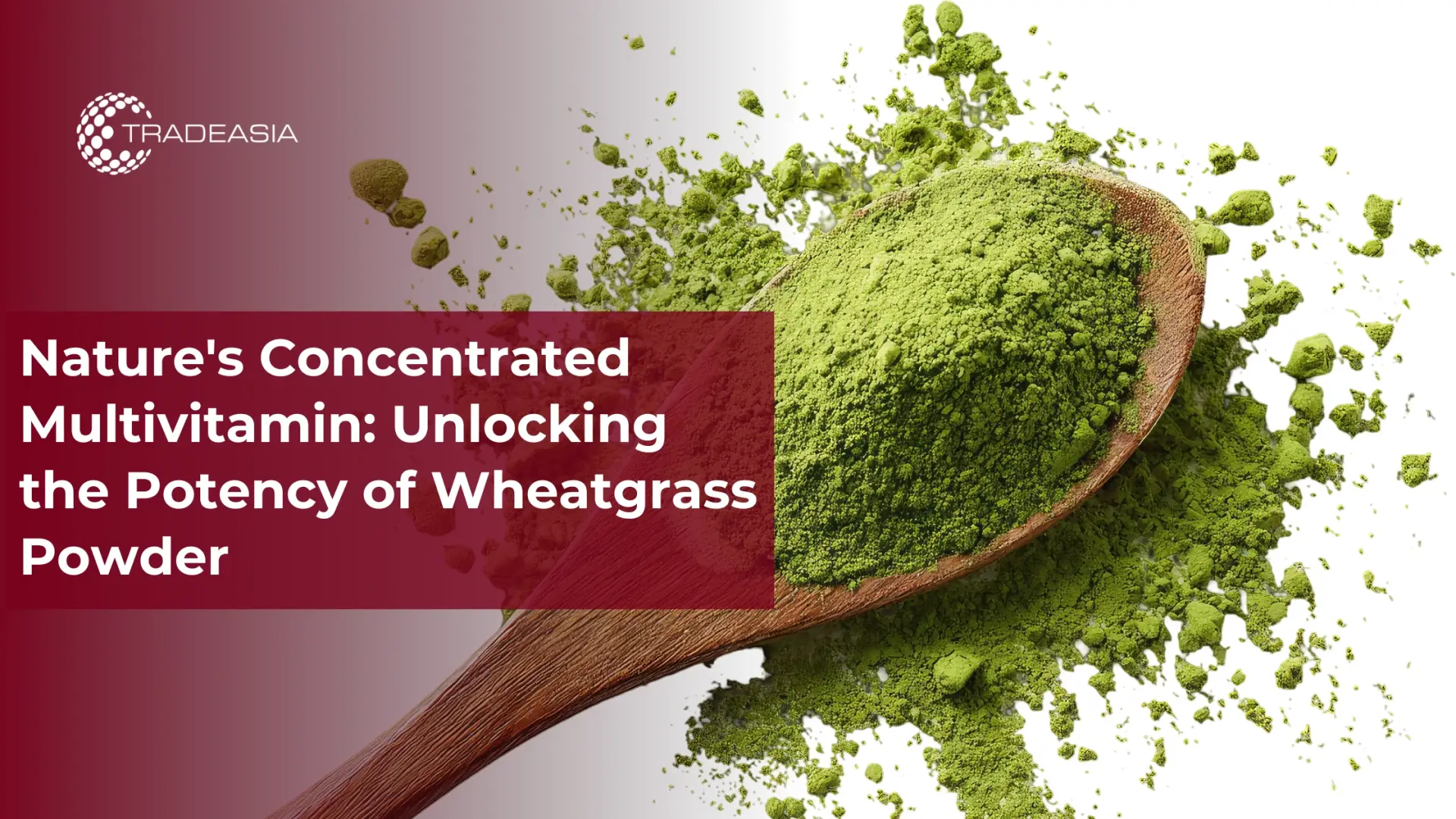
In the realm of functional superfoods, few ingredients have maintained their status as consistently as Wheatgrass. While often consumed as a fresh juice shot in trendy health bars, the industrial and retail shift toward Wheatgrass Powder is driven by more than just convenience. It is driven by concentration. When young wheatgrass (Triticum aestivum) is dehydrated at low temperatures and pulverized, it transforms into a nutritional powerhouse that retains—and in some cases concentrates—a broad spectrum of essential micronutrients. For food formulators and health-conscious consumers alike, understanding the specific "nutritional architecture" of this green powder—specifically its chlorophyll, antioxidant vitamins, and iron content—is key to unlocking its full potential.
The "Green Blood": Chlorophyll's Oxygenating Power
The most defining characteristic of wheatgrass powder is its vibrant emerald color, a direct visual indicator of its massive Chlorophyll content. Wheatgrass powder is composed of approximately 70% chlorophyll by solid weight. In nutritional science, chlorophyll is often referred to as "green blood" due to its molecular similarity to hemoglobin; the central atom in hemoglobin is iron, while in chlorophyll, it is magnesium.
When consumed, this high density of chlorophyll acts as a potent alkalizing agent and detoxifier. It aids in the elimination of toxins and heavy metals from the body. For the supplement industry, this makes wheatgrass powder a foundational ingredient in "Detox" and "Cleanse" formulations. Unlike synthetic isolated chlorophyll, the chlorophyll found in wheatgrass powder comes wrapped in natural enzymes (like superoxide dismutase) which enhance its bioavailability, helping to oxygenate the blood and improve cellular energy levels without the crash associated with caffeine.
The ACE Spectrum: A Trifecta of Antioxidants
While many greens contain vitamins, wheatgrass powder is unique in offering a balanced "ACE" spectrum—Vitamins A, C, and E—in high quantities. This triad works synergistically to combat oxidative stress.
Iron-Rich Energy Without the Meat
Iron deficiency (anemia) is the most common nutritional deficiency globally, particularly among those following plant-based or vegetarian diets. Wheatgrass powder offers a significant solution. It is an exceptional source of non-heme iron. Just one tablespoon (approx. 8 grams) of high-quality wheatgrass powder can contain a significant portion of the Recommended Daily Intake (RDI) of iron. Crucially, the presence of high Vitamin C (as mentioned above) within the same plant matrix naturally enhances the absorption of this plant-based iron. This "built-in" absorption aid makes wheatgrass powder far more effective than isolated iron supplements, which often cause constipation or gastric distress. For manufacturers of plant-based protein powders, adding wheatgrass is a strategic way to boost the iron profile of the final product naturally.
Powder vs. Fresh: The Concentration Advantage
A common misconception is that fresh juice is always superior. However, from a supply chain and nutritional consistency perspective, Powder offers distinct advantages. Fresh wheatgrass is highly unstable; it begins to oxidize and lose potency within minutes of juicing. High-quality wheatgrass powder is produced using low-temperature drying technologies (such as freeze-drying or refractive window drying) immediately after harvest. This locks in the phytonutrients at their peak. Because the water (which makes up 90-95% of the grass) is removed, the nutrients are concentrated. A consumer would need to drink a significant volume of fresh juice to equal the micronutrient density found in a single scoop of powder. This efficiency makes the powder form not only more shelf-stable but also a more potent delivery system for daily nutrition.
Sources
We're committed to your privacy. Tradeasia uses the information you provide to us to contact you about our relevant content, products, and services. For more information, check out our privacy policy.


 English
 Indonesian
 简体字
简体字
 العربية
 Español
 Français
 Português
 日本語
日本語
 한국어
한국어
 Tiếng Việt



















