How can we assist you?
Explore our network of country and industry based websites to access localized information, product offerings, and business services across our group.
Log in to start sending quotation requests for any product.
Don't have an account? Sign Up Here
Log in now to access technical product documents from our product range.
Don't have an account? Sign Up Here
Home All Products Isomalt
|
Origin |
: Germany |
|
IUPAC Name |
: (2R,3R,4R,5R)-6-[(2S,3R,4S,5S,6R)-3,4,5-Trihydroxy-6-(hydroxymethyl)oxan-2-yl]oxyhexane-1,2,3,4,5-pentol |
|
Cas Number |
: 64519-82-0 |
|
HS Code |
: 2940.00.00 |
|
Formula |
: C24H48O22 |
|
Appearance Name |
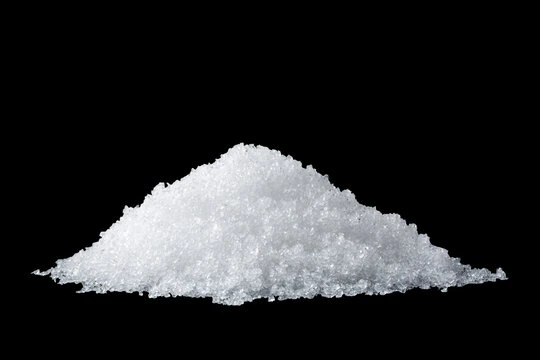
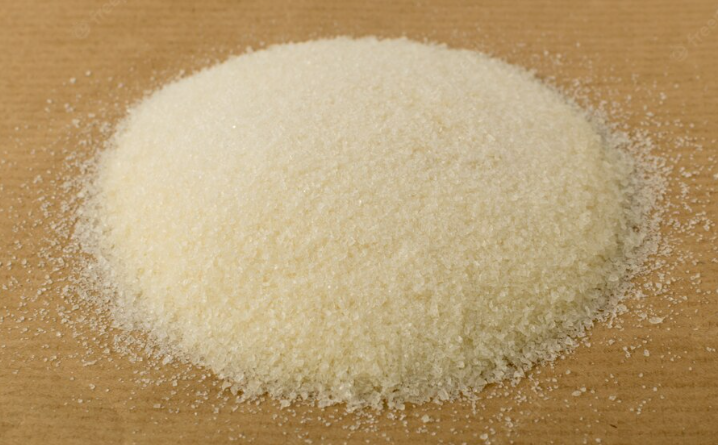
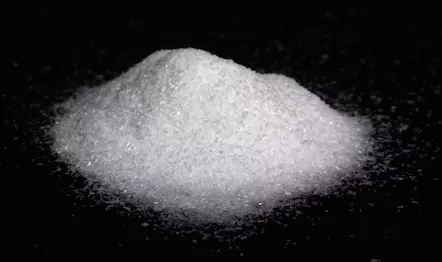
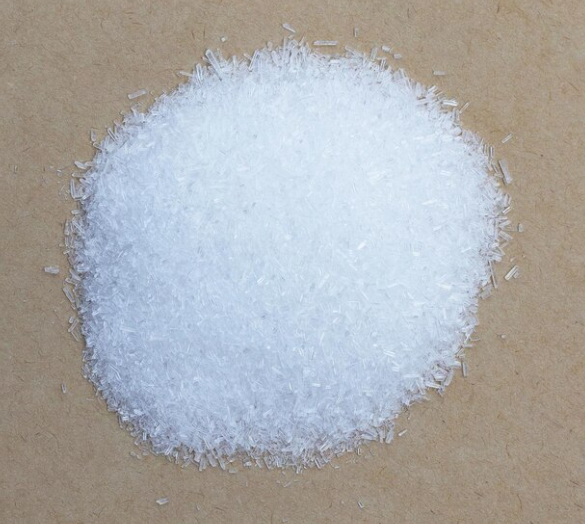
: White Crystalline Powder |
|
Common Names |
: Isomalt |
|
Packaging |
: 25 Kg Bag |
For more detailed information including pricing, customization, and shipping:
Brief Overview
Isomalt has been a product ingredient in Europe and Asia since the early 1980s. Isomalt contains two disaccharide alcohols, which are 1,1-GMP and 1,6-GPS. It is a sweetener made from sucrose. The sweetening power ranges from 50 % - 60 % of sucrose. Due to the taste profile similar to sucrose, isomalt-based products are hardly different from the original sucrose. The physical appearance of isomalt is white, crystalline, odorless, and low-hygroscopic substance. Normally, isomalt is combined with intense sweeteners to get a variety of sweetness profiles and optimize wetness without masking flavor, which is the constraint form some other sweeteners. Moreover, isomalt blends well with many flavor additives, such as fruity, menthol, and minty.
Manufacturing Process
There are two essential steps in producing isomalt. The first step is using an immobilized enzyme system to rearrange the (1-2) glycosidic linkage between the glucose and the fructose molecule to a (1-6) linkage. The result of this process is called an isomaltulose which is still a glucose-fructose combination. The new linkage is more stable than the previous one in sucrose. The second step is the addition of hydrogen to the fructose part of palatinose. This process will result in a combination of two disaccharide alcohols, the glucopyranosyl-D-sorbitol (1,6-GPS) and glucopyranosyl-D-mannitol dihydrate (1,1-GMP). The standard or generic name of this disaccharide alcohol mixture is isomalt.
Food Industry
Isomalt is used as a sugar replacement due to its low-calorie content, such as in hard-boiled candy and chocolate to replace sugar. Isomalt gives a vibrant color with long-lasting flavor to sugar-free candies.
How can we assist you?