Explore our network of country and industry based websites to access localized information, product offerings, and business services across our group.
Log in to start sending quotation requests for any product.
Don't have an account? Sign Up Here
Log in now to access technical product documents from our product range.
Don't have an account? Sign Up Here
Home All Products Glycine (E640)
|
Origin |
: China |
|
IUPAC Name |
: 2-Aminoacetic Acid |
|
Cas Number |
: 56-40-6 |
|
HS Code |
: 2922.49.00 |
|
Formula |
: C2H5NO2 |
|
Appearance Name |
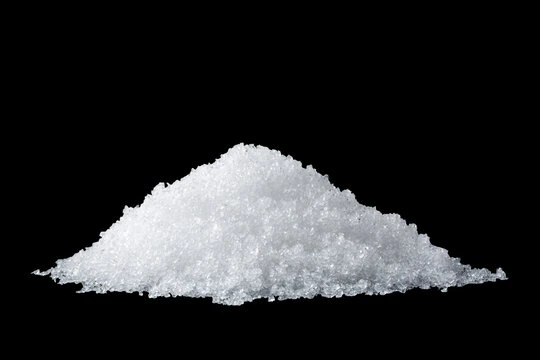
: White Crystalline Powder |
|
Common Names |
: Aminoethanoic Acid |
|
Packaging |
: 25 Kg Bag |
For more detailed information including pricing, customization, and shipping:
Glycine is manufactured through chemical synthesis by reacting chloroacetic acid with ammonia under pressure or through modern fermentation processes using sugar substrates, used as a non-caloric sweetener, buffering agent, flavor masker, stabilizer, and preservative that provides mild sweetness (0.6-0.8 times sucrose), neutralizes bitterness, stabilizes emulsions/proteins, and controls pH without aftertaste or cariogenic effects. In the food industry, it excels at bitterness suppression from high-intensity sweeteners, pharmaceutical masking, and synergistic sweetness enhancement making it ideal for diet beverages, sugar-free confectionery, and processed foods requiring clean flavor profiles.
Beverages: Dramatically reduces bitterness and metallic aftertaste from aspartame, acesulfame-K, and steviol glycosides in diet sodas, zero-calorie energy drinks, sports beverages, and sugar-free iced teas; creates 25-40% perceived sweetness synergy while preventing flavor drift during storage; maintains carbonation clarity without precipitation.
Dairy products: Masks bitterness and astringency in low-fat yogurts, milk protein-fortified beverages, processed cheese spreads, and fermented dairy drinks; stabilizes casein micelles preventing texture separation; improves mouth-coating and salt perception in cheese analogs.
Confectionery: Provides sugar-like bulk and mouthfeel in sugar-free gums, hard candies, chocolates, and jellies without promoting tooth decay; prevents grittiness from polydextrose or maltitol syrups; enhances cooling sensation synergy with menthol flavors.
Bakery products: Neutralizes bitter notes from potassium sorbate preservatives and artificial sweeteners in reduced-sugar cakes, muffins, and bread mixes; improves dough extensibility as buffering agent; extends shelf life by stabilizing flavor compounds against oxidation.
Meat products: Reduces metallic/chemical aftertaste from sodium tripolyphosphate and curing salts in sausages, hot dogs, and injected poultry; tenderizes through mild chelation of muscle proteins; enhances umami perception and salt taste at reduced sodium levels.
In cosmetics, functions as humectant and stabilizer in creams/lotions preventing ingredient separation while providing skin-conditioning benefits; in pharmaceuticals, serves as tablet excipient, flavor masker for pediatric medicines, and glycine neurotransmitter precursor; in animal feed, supplements poultry diets improving growth rates through glycine metabolism; in detergents, complexes calcium/magnesium ions enhancing cleaning efficiency; in electroplating, buffers nickel plating baths for uniform metal deposition; in photography, stabilizes developing solutions.


 English
 Indonesian
 简体字
简体字
 العربية
 Español
 Français
 Português
 日本語
日本語
 한국어
한국어
 Tiếng Việt