Explore our network of country and industry based websites to access localized information, product offerings, and business services across our group.
Log in to start sending quotation requests for any product.
Don't have an account? Sign Up Here
Home Japonica Rice’s Rising Popularity Across New Markets in 2025
News | 24 November 2025
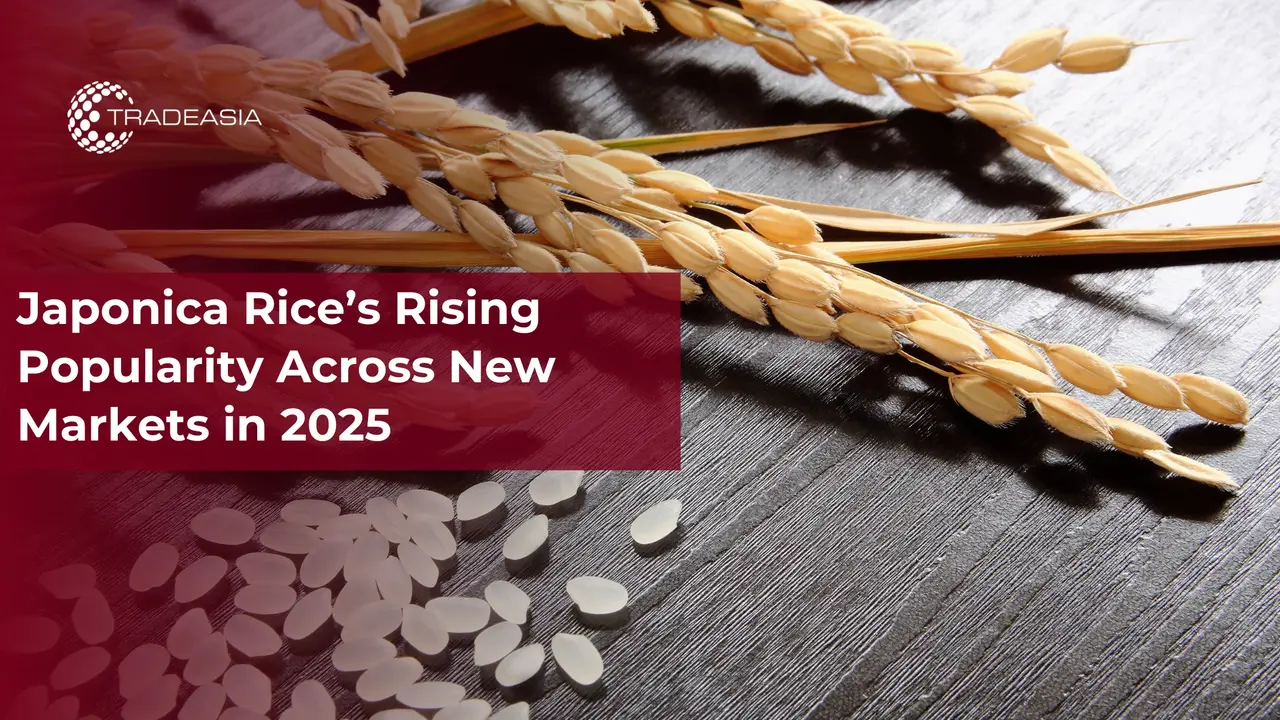
Japonica rice, known for its short, round grains and sticky texture, has historically been a staple food in regions such as Japan, Korea, and parts of China. However, its allure is fast expanding beyond these traditional markets in 2025. With growing consumer focus on quality, culinary diversity, and textural variety, Japonica rice is carving out a distinct and expanding niche globally. This trend not only reshapes rice consumption but also drives interesting shifts in global rice market dynamics.
The global Japonica rice market reached an estimated value of $15 billion in 2025 and is growing at a steady compound annual growth rate (CAGR) of approximately 5% from 2019 to 2024. This growth reflects rising demand for premium rice varieties, especially among middle-class consumers in developing countries and health-conscious buyers in developed markets.
Regions outside Asia-Pacific, notably North America and Europe, have shown notable uptake as consumers explore new culinary experiences and incorporate Japonica rice’s distinctive texture into their diets. Processed Japonica products, such as ready-to-eat rice bowls and rice flour for gluten-free baking, further contribute to market expansion.
Several key drivers boost Japonica rice’s global appeal:
Health and Nutrition Awareness: Japonica rice is often perceived as a premium, nutrient-rich option, appealing to consumers looking for wholesome carbohydrates with better taste and texture.
Culinary Diversification: Globalization and cross-cultural food trends encourage adoption of Japonica rice in everyday cooking, from sushi to risotto-style dishes and fusion meals.
Convenience and Innovation: Growth in processed and convenience foods featuring Japonica rice aligns with consumer demand for quick yet nutritious options.
Sustainability and Traceability: Increasing demand for traceable origin and sustainably farmed products benefits Japonica rice suppliers who emphasize these practices.
The expansion of Japonica rice into new markets is prompting producers and suppliers to innovate. Investments in advanced farming techniques—including precision agriculture—support improved yield and consistent quality. Additionally, supply chains are evolving to meet higher standards of traceability and certification.
Leading market players are also diversifying product offerings to include organic Japonica rice, specialty varieties (such as Japanese short-grain), and value-added products like rice snacks and gluten-free flours. They are partnering with foodservice brands and retail chains to broaden distribution and enhance consumer reach.
While Japonica rice’s prospects are promising, challenges remain. Climatic fluctuations affecting rice cultivation, price volatility, and competition from high-yield Indica rice present ongoing considerations. Nonetheless, the overall trajectory suggests Japonica rice will continue to strengthen its presence as a preferred grain among discerning consumers who appreciate its unique characteristics.
Source:
We're committed to your privacy. Tradeasia uses the information you provide to us to contact you about our relevant content, products, and services. For more information, check out our privacy policy.


 English
 Indonesian
 简体字
简体字
 العربية
 Español
 Français
 Português
 日本語
日本語
 한국어
한국어
 Tiếng Việt




















