Explore our network of country and industry based websites to access localized information, product offerings, and business services across our group.
Log in to start sending quotation requests for any product.
Don't have an account? Sign Up Here
Home Role of DL-Malic Acid in Creating Authentic Fruit Flavors
Trade Insights | Applications and Buyers | 05 June 2026
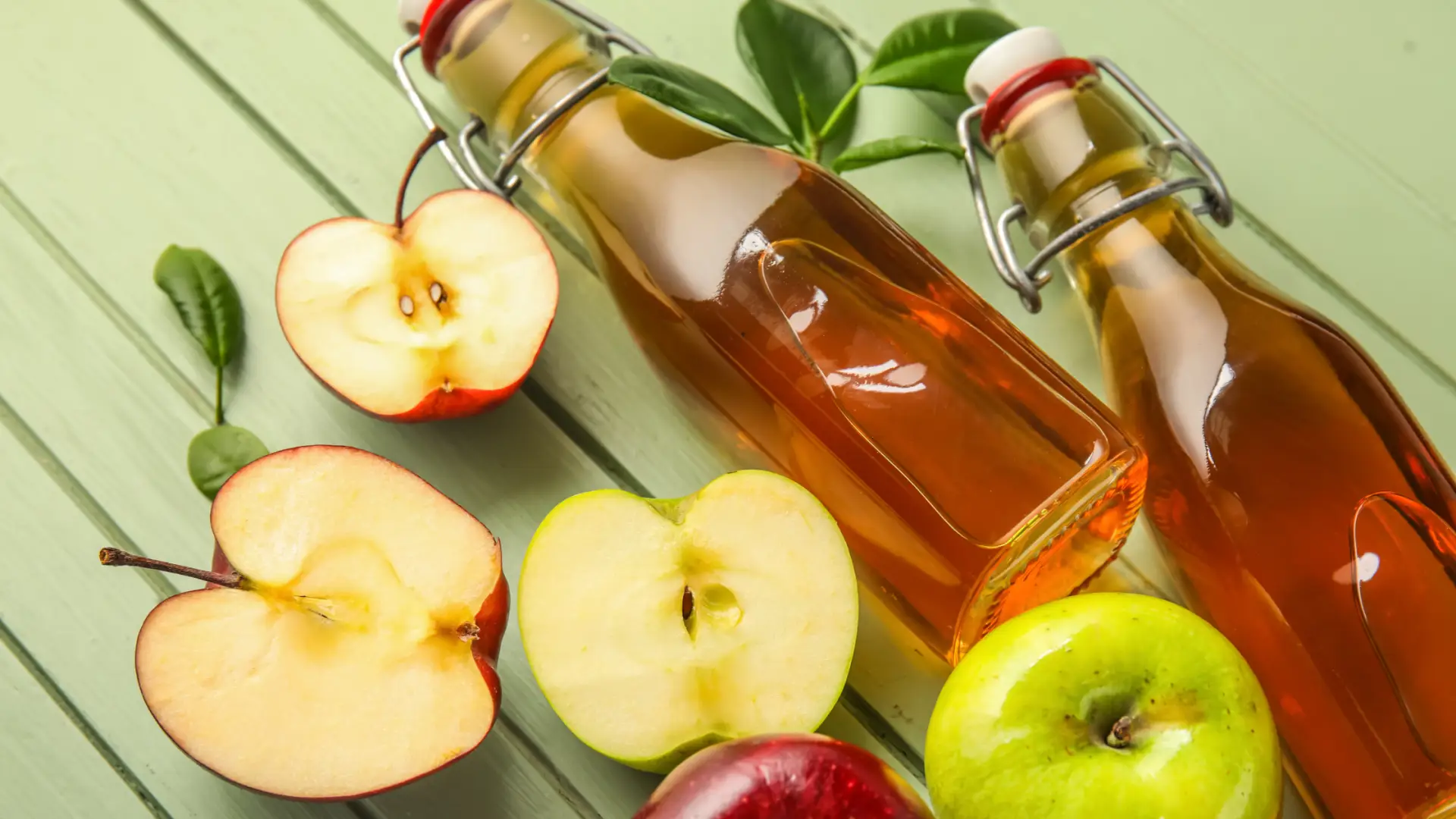
In today's highly competitive food and beverage industry, flavor has become one of the most important factors influencing consumer purchasing decisions. While product quality, nutritional value, convenience, and branding all contribute to market success, taste remains the primary determinant of repeat purchases and long-term customer loyalty. Consumers increasingly expect products to deliver authentic, natural, and memorable flavor experiences that closely resemble the taste of fresh fruits, even when the products themselves contain limited amounts of fruit ingredients. This growing expectation has elevated the importance of flavor science and formulation technology within modern food manufacturing, encouraging companies to invest heavily in ingredients capable of improving flavor perception and sensory performance.
Among the many ingredients used to create authentic fruit profiles, DL-Malic Acid occupies a uniquely important position. While often classified simply as an acidulant, its role extends far beyond basic acidity adjustment. DL-Malic Acid serves as a critical flavor-modifying ingredient that helps manufacturers replicate the natural tartness found in fruits, enhance fruit character, improve flavor persistence, and create more realistic sensory experiences. Its ability to influence how consumers perceive sweetness, acidity, freshness, and overall flavor intensity makes it one of the most valuable tools available to food scientists and product developers working across beverage, confectionery, dairy, bakery, snack, and functional food applications.
The growing importance of DL-Malic Acid is closely linked to broader shifts occurring throughout global food markets. Consumers are increasingly seeking products with fruit-inspired flavor profiles, cleaner ingredient perceptions, reduced sugar content, and premium sensory experiences. At the same time, manufacturers face ongoing pressure to develop products that deliver consistent taste while managing formulation costs, ingredient sourcing challenges, and regulatory requirements. DL-Malic Acid addresses many of these challenges simultaneously by enabling more efficient flavor design and helping products achieve greater sensory impact without relying solely on expensive fruit ingredients or high sugar levels.
Global demand for fruit-flavored products continues expanding across numerous categories. The beverage industry alone represents a market worth several hundred billion dollars annually, with fruit-flavored soft drinks, juices, energy drinks, sports beverages, flavored waters, and functional drinks accounting for significant portions of total sales. Similarly, confectionery manufacturers increasingly rely on fruit flavors to drive innovation within gummies, hard candies, chewing gums, jellies, and chewy sweets. As competition intensifies across these sectors, manufacturers increasingly recognize that successful products must not only contain appealing flavors but also replicate the sensory characteristics consumers associate with real fruit consumption.
DL-Malic Acid has become particularly valuable because it contributes directly to flavor authenticity. Unlike some acidulants that primarily provide sharp acidity, DL-Malic Acid delivers a smoother, longer-lasting tartness that closely resembles the natural acidity found in fruits such as apples, cherries, berries, peaches, grapes, and citrus varieties. This characteristic allows manufacturers to create products that feel more natural and balanced, supporting consumer expectations for authentic fruit experiences. As a result, DL-Malic Acid has evolved from a supporting ingredient into a strategic component of modern flavor systems.
DL-Malic Acid is an organic acid widely used throughout the food and beverage industry for its flavor-enhancing properties. Naturally occurring malic acid is found in many fruits and vegetables, particularly apples, where it contributes significantly to the fruit's characteristic tart taste. The commercial DL-Malic Acid used in food manufacturing contains a mixture of D- and L-isomers, providing manufacturers with a stable and effective ingredient capable of delivering consistent sensory performance across a broad range of applications.
What distinguishes DL-Malic Acid from other acidulants is its unique sensory profile. Unlike citric acid, which delivers an immediate and sharp sour impact, DL-Malic Acid produces a smoother and more prolonged tartness. This extended flavor perception creates a more natural fruit-like sensation, making it particularly effective in products where manufacturers seek to replicate fresh fruit characteristics. The acid's ability to linger on the palate contributes to greater flavor persistence, allowing consumers to experience fruit flavors more intensely and for longer durations.
The interaction between acidity and flavor perception is highly complex. Acids do not simply make products taste sour; they influence sweetness perception, aroma release, flavor intensity, and overall sensory balance. DL-Malic Acid plays an important role in these interactions by helping align flavor profiles with consumer expectations. When consumers taste a strawberry, apple, cherry, or peach-flavored product, they subconsciously expect a specific balance of sweetness and acidity. Without sufficient acidity, fruit flavors may seem artificial, flat, or overly sweet. DL-Malic Acid helps create the sensory balance necessary for authentic fruit representation.
Food scientists often describe DL-Malic Acid as a flavor enhancer rather than merely an acidifier. Its contribution extends beyond pH adjustment to actively shaping how flavor compounds are perceived by consumers. This multifunctional role explains why it remains one of the most widely used ingredients in sophisticated flavor systems.
Authenticity has become a major competitive factor across global food and beverage markets. Consumers increasingly associate authentic flavor experiences with higher quality products, greater value, and stronger brand credibility. This trend is particularly evident among younger consumers who frequently seek products that deliver realistic and immersive taste experiences.
Fruit flavors dominate numerous product categories because they are widely accepted across cultures, age groups, and consumption occasions. However, developing authentic fruit flavors presents significant technical challenges. Natural fruits contain hundreds of volatile compounds, sugars, acids, and aroma molecules that interact to create complex sensory profiles. Replicating these interactions within processed products requires careful formulation and sophisticated ingredient selection.
DL-Malic Acid plays a critical role in overcoming these challenges by helping manufacturers recreate the natural acidity patterns associated with fresh fruit. Acidity serves as a key sensory cue that consumers use to identify fruit flavors. When acidity levels are properly balanced, flavor systems appear more realistic and recognizable. Conversely, poorly balanced acidity can undermine even the most advanced flavor formulations.
Manufacturers increasingly recognize that authenticity influences consumer purchasing behavior. Products perceived as having realistic fruit flavors often achieve higher acceptance rates, stronger repeat purchases, and greater brand loyalty. Consequently, ingredients capable of improving flavor authenticity have become strategically important within product development programs.
The beverage industry represents the largest application sector for DL-Malic Acid worldwide. Fruit-flavored beverages account for substantial portions of global soft drink, juice, energy drink, sports beverage, and functional drink markets. Within these products, flavor performance directly influences consumer satisfaction and brand success.
DL-Malic Acid contributes to beverage formulations by enhancing fruit character and improving flavor persistence. Its smooth tartness complements fruit flavors while helping create refreshing taste profiles that consumers associate with freshly squeezed juices and natural fruit products. Beverage manufacturers frequently utilize DL-Malic Acid in apple, berry, grape, peach, mango, tropical fruit, and citrus-inspired formulations.
One of the ingredient's most valuable characteristics in beverages is its ability to extend flavor duration. Many flavor compounds dissipate rapidly after consumption, reducing overall sensory impact. DL-Malic Acid helps maintain flavor presence on the palate, allowing consumers to experience a more complete and satisfying taste profile. This functionality is particularly important in premium beverages where sensory differentiation plays a key role in market positioning.
The global beverage market continues expanding due to urbanization, rising disposable incomes, and growing demand for convenient refreshment products. As manufacturers introduce new flavor concepts and premium offerings, demand for ingredients capable of supporting authentic fruit experiences is expected to increase correspondingly.
Confectionery manufacturers represent another major buyer segment for DL-Malic Acid. Products such as gummies, hard candies, chewy sweets, jellies, and fruit snacks rely heavily on flavor systems to create consumer appeal. Within these applications, acidity often serves as a critical component of overall taste architecture.
DL-Malic Acid enhances confectionery products by providing fruit-like tartness that complements sweetness and strengthens flavor identity. The ingredient is especially effective in fruit-flavored candies where realistic taste profiles are essential for product success. Consumers frequently associate certain levels of acidity with specific fruits, making acid selection a critical formulation decision.
The prolonged sourness provided by DL-Malic Acid offers additional advantages in confectionery applications. Unlike acids that produce brief sour sensations, DL-Malic Acid extends flavor impact, creating a more engaging sensory experience. This characteristic is particularly valuable in gummies and chewy products where extended consumption time allows flavor dynamics to influence overall enjoyment.
The global confectionery industry continues generating hundreds of billions of dollars in annual revenue, with fruit-flavored products representing a significant growth segment. Manufacturers seeking to differentiate products through superior flavor performance increasingly rely on ingredients such as DL-Malic Acid to support innovation and market competitiveness.
One of the most significant trends shaping modern food and beverage development is the movement toward reduced-sugar products. Governments worldwide continue implementing sugar reduction initiatives while consumers increasingly seek healthier alternatives. However, reducing sugar often creates flavor challenges because sweetness contributes substantially to overall product acceptance.
DL-Malic Acid helps address these challenges by enhancing flavor perception and improving sensory balance. Carefully managed acidity can compensate for some of the flavor losses associated with reduced sugar levels, allowing manufacturers to create products that remain appealing despite lower sweetness content. The ingredient's ability to enhance fruit flavors becomes particularly valuable in these formulations.
As sugar reduction efforts continue expanding globally, ingredients that support flavor optimization are expected to become increasingly important. DL-Malic Acid offers manufacturers a practical solution for maintaining taste quality while aligning with evolving nutritional objectives.
The buyer base for DL-Malic Acid extends across numerous sectors within the food and beverage industry. Flavor houses represent one of the largest buyer groups because they incorporate the ingredient into customized flavor systems supplied to manufacturers worldwide. These companies rely on DL-Malic Acid to improve flavor realism and support diverse product development projects.
Beverage manufacturers constitute another major customer segment due to the ingredient's extensive use in fruit-flavored drinks, energy beverages, and functional products. Confectionery producers, dairy companies, bakery manufacturers, and snack producers also represent significant sources of demand.
The global acidulants market is valued at several billion dollars annually and continues growing alongside expanding processed food and beverage industries. Within this market, DL-Malic Acid benefits from increasing demand for premium flavor experiences, reduced-sugar formulations, and innovative fruit-flavored products. Industry forecasts suggest continued growth driven by both mature and emerging markets.
Asia-Pacific represents one of the fastest-growing regions due to expanding middle-class populations, urbanization, and increasing consumption of packaged foods and beverages. North America and Europe remain important markets due to ongoing product innovation and strong demand for premium offerings.
The future outlook for DL-Malic Acid remains highly favorable as food manufacturers continue prioritizing flavor quality and consumer satisfaction. Several market trends are expected to support long-term demand growth. Rising interest in functional beverages, premium confectionery, plant-based products, and health-oriented formulations will create new opportunities for ingredients capable of enhancing flavor authenticity.
Advances in flavor science are also likely to expand application possibilities. Manufacturers increasingly utilize sophisticated sensory research and consumer testing to optimize product performance. These efforts often highlight the importance of acidity management and flavor balance, reinforcing the value of DL-Malic Acid within modern formulation strategies.
Additionally, growing demand for fruit-inspired products across global markets is expected to sustain interest in ingredients that improve fruit flavor realism. As competition intensifies, manufacturers will continue seeking formulation tools capable of delivering superior sensory experiences while maintaining operational efficiency.
DL-Malic Acid has become an indispensable ingredient in modern flavor development because of its unique ability to create authentic fruit experiences across multiple food and beverage categories. Its smooth, prolonged tartness closely resembles the natural acidity found in fruits, making it an essential component of flavor systems designed to deliver realistic and satisfying sensory profiles.
From beverages and confectionery to functional foods and reduced-sugar formulations, DL-Malic Acid supports product innovation by enhancing flavor intensity, improving balance, and extending taste persistence. These capabilities make it highly valuable to flavor houses, beverage manufacturers, confectionery producers, and food developers seeking to meet evolving consumer expectations.
As global demand for authentic fruit flavors continues expanding, the strategic importance of DL-Malic Acid is expected to grow further. Its role in supporting flavor realism, improving consumer acceptance, and enabling successful product differentiation ensures that it will remain a critical ingredient within the future of food and beverage formulation.
We're committed to your privacy. Tradeasia uses the information you provide to us to contact you about our relevant content, products, and services. For more information, check out our privacy policy.


 English
 Indonesian
 简体字
简体字
 العربية
 Español
 Français
 Português
 日本語
日本語
 한국어
한국어
 Tiếng Việt



















