Explore our network of country and industry based websites to access localized information, product offerings, and business services across our group.
Log in to start sending quotation requests for any product.
Don't have an account? Sign Up Here
Home Bakery Industry Demand for Liquid Glucose in 2026
Trade Insights | Applications and Buyers | 31 March 2026
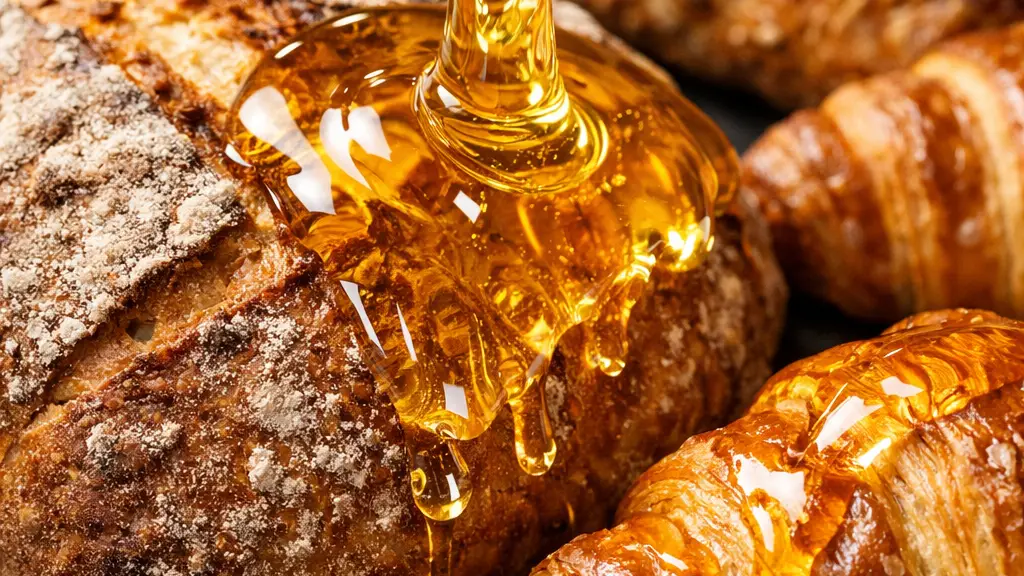
Liquid glucose is primarily used in packaged bread, cakes, pastries, biscuits, and confectionery-adjacent baked goods for moisture retention, texture improvement, and shelf life extension. Key buyers include large-scale industrial bakeries, food ingredient formulators, convenience food manufacturers, and regional bakery distributors. Demand is driven by global growth in packaged and convenience foods, rising urbanization across Asia Pacific, and the ongoing need for cost-effective sucrose alternatives.
Industrial and packaged bakery production represents one of the highest-volume application segments for liquid glucose globally, with early 2026 data pointing to notable demand spikes tied to both seasonal cycles and structural growth in convenience food consumption. The global liquid glucose market is valued at approximately USD 3.84 billion in 2026 and is forecast to reach USD 6.82 billion by 2035 at a CAGR of 6.6%, with bakery and food processing as the dominant end-use segment. The primary commercial risk in 2026 is a gradual reformulation pressure from clean-label and sugar-reduction movements, though liquid glucose retains strong positional advantages in industrial bakery due to its multifunctional role and cost competitiveness versus sucrose and specialty sweetener blends.
Liquid glucose delivers moisture retention, anti-crystallization, texture enhancement, and controlled fermentability, making it indispensable across multiple bakery sub-categories. The table below maps the current demand structure.
| Application | Sector | Demand Share (Est.) | Trend | Buyer Type |
|---|---|---|---|---|
| Packaged soft bread & buns | Industrial bakery | ~28% | Growing ↑ | Large-scale manufacturer |
| Cakes, muffins & sweet baked goods | Sweet bakery / SNS | ~24% | Stable → | Industrial baker / Formulator |
| Biscuits & cookies | Snack bakery | ~18% | Stable → | FMCG food producer |
| Pastries & laminated dough | Premium / artisan | ~10% | Growing ↑ | Food service / industrial |
| Bakery fillings & glazes | Ingredients sub-sector | ~9% | Growing ↑ | Ingredient manufacturer |
| Bread improver blends & premixes | B2B ingredient | ~6% | Growing ↑ | Premix formulator |
| Frozen bakery products | Food service / retail | ~5% | Growing ↑ | Frozen food manufacturer |
Notes on demand shares: Estimates are derived from synthesis of multiple market intelligence sources (2025–2026). The food and beverages segment as a whole accounts for approximately 48–59% of all glucose market demand globally, with bakery and confectionery as the two dominant sub-segments within it.
Frozen and Ready-to-Bake Formats Liquid glucose is playing an increasingly critical functional role in frozen bakery products including croissants, dinner rolls, pizza bases, and pastry doughs. Its ability to depress the freezing point and maintain dough integrity through freeze-thaw cycles makes it operationally valuable in this format. Over 90% of foodservice operators globally now use frozen bakery products, and this segment is expanding rapidly. The timeline for meaningful volume impact is 1–3 years, and it is already registering in procurement volumes at major food service distributors.
Protein-Enriched and Functional Bakery As consumer interest in high-protein baked goods accelerates, with online searches for "high protein dessert, low carb" growing sharply and protein-enriched bakery launches expected to rise 17% year-on-year through 2026, liquid glucose is being co-used with protein isolates and fiber blends to maintain moisture and texture in reformulated products. Protein-dense doughs tend toward dryness; liquid glucose corrects this at cost-effective inclusion rates. This is a meaningful growth vector in the 3–5 year window.
Sourdough and Long-Fermentation Bakery Sourdough is now the single most talked-about global bakery trend, with product launches featuring sourdough claims growing 31% globally and a further 33% growth forecast for 2026. Long-fermentation doughs benefit from liquid glucose as a supplemental fermentable sugar substrate that stabilizes fermentation activity and extends softness post-bake. Industrial bakeries scaling sourdough lines are beginning to incorporate liquid glucose into their technical formulations.
Bakery Premixes for HoReCa and Cloud Kitchens The rapid growth of bakery premixes targeting hotels, restaurants, cafés, and cloud kitchens is generating a new B2B demand tier for liquid glucose as a component in wet and semi-liquid premix bases. This growth is particularly concentrated in Asia Pacific. This segment is presently niche but is expanding at a faster rate than traditional bulk bakery channels.
The anchor buyer segment. Companies like Grupo Bimbo, Yamazaki Baking, Britannia Industries, Gardenia, and Flowers Foods purchase liquid glucose at scale for continuous production of packaged bread, buns, soft rolls, cakes, and sweet goods. These buyers operate on long-term supply contracts and prioritize supply security, consistent DE (dextrose equivalent) grade, and stable pricing above all other factors. They are price-sensitive at the margin but not prone to substitution, as liquid glucose is embedded in their production specs. Volume purchases are typically made direct from starch processors or tier-one distributors.
Buying behavior: Long-term contract, bulk tanker or drum delivery, food-grade specification, annual volume negotiation. Price sensitivity: Medium. Embedded in formulation; switching cost is real. Key decision factors: Consistent DE grade, delivery reliability, food safety certification (FSSC 22000, HACCP), competitive pricing vs. corn syrup alternatives.
A growing and commercially important segment. Companies producing bakery premixes, cake mixes, glazing agents, bread improvers, and filling bases use liquid glucose as a key component ingredient. This segment is structurally growing as more industrial and foodservice bakeries outsource formulation to specialist ingredient companies rather than developing internal recipes. Buyers in this segment are often smaller in individual volume but collectively represent significant aggregate demand and are more open to new supply relationships than the largest industrial bakers.
Buying behavior: Spot and contract mix, intermediate volumes (drums and IBC totes), spec-driven with room for supplier development. Price sensitivity: Medium-high. Cost-conscious as their own margins are thin. Key decision factors: Formulation support, technical data sheets, clean-label compatibility claims, Halal/Kosher certification.
Biscuit, cookie, cracker, and snack cake manufacturers are consistent buyers of liquid glucose for moisture control, browning enhancement, and shelf life performance. This includes major FMCG players across Asia Pacific, Europe, and the Americas. Convenience and packaged snack food now represents over 40% of the global food market, and this segment's raw material purchasing is high-volume and often regionally concentrated (e.g., procurement hubs in China, India, Indonesia, and Poland for their respective production clusters).
Buying behavior: Typically via regional distributors or direct from processors; procurement cycles tied to quarterly ingredient planning. Price sensitivity: High. Cost reduction pressure is constant. Key decision factors: Price per ton, origin declaration, additive-free status, compliance with national food standards (FDA, FSSAI, BPOM, etc.).
A smaller but fast-growing buyer segment driven by the premiumization trend in baked goods. Independent bakeries, patisseries, and upscale foodservice operators are increasingly incorporating liquid glucose into pastry, ganache fillings, croissants, and artisan bread for texture and anti-crystallization benefits. Individual volumes are modest, but the aggregate demand in urban markets across Europe, North America, and Asia Pacific is rising. These buyers typically source through food ingredient distributors rather than direct from producers.
Buying behavior: Distributor-led, small pack sizes (5–25 kg), occasional purchasing. Price sensitivity: Low-medium. Quality and pack convenience matter more than unit cost. Key decision factors: Food grade, clean label compatibility, local availability, technical support from distributor.
A distinctly growing buyer category. Companies producing frozen croissants, frozen dough, ready-to-bake products, and pre-proofed bakery items for retail and food service channels rely on liquid glucose for freeze-thaw stability and moisture retention in cold-chain bakery. With over 90% of foodservice operators now using frozen bakery products, procurement from this segment is becoming more formalized and contract-driven.
Buying behavior: Volume contracts tied to production planning cycles; preference for consistent supply in chilled/ambient liquid form. Price sensitivity: Medium. Key decision factors: Freeze-thaw performance data, food safety compliance, consistent viscosity, and logistics capability.
Bakery demand for liquid glucose moves in close parallel with two macroeconomic indicators: consumer spending on packaged and convenience foods, and urbanization rates in emerging markets. The processed and convenience foods sector now represents over 40% of the global food market and continues expanding as urban populations grow across Asia Pacific, the Middle East, and Africa. Rising incomes in markets like India, Indonesia, Vietnam, and the Philippines directly translate into greater consumption of packaged baked goods, which in turn increases liquid glucose procurement by regional industrial bakeries. North America leads the global glucose market with approximately 34–35% share, supported by a mature food processing industry and abundant corn feedstock. Asia Pacific follows closely and is the fastest-growing regional demand engine.
The global bakery market is valued at over half a trillion dollars and is projected to grow toward USD 700–900 billion by 2030. Within this, packaged soft bakery products including bread, cakes, and buns form the core growth engine for liquid glucose demand. Sweet bakery is growing especially fast in Asia Pacific, where modernizing retail formats (supermarkets, convenience stores, e-commerce food channels) are driving greater consumption of packaged cakes and pastries. The baking ingredients market alone is forecast to reach USD 22.3 billion by 2026 at a CAGR of 6.0%, validating the broader structural growth trajectory that benefits liquid glucose suppliers.
The primary substitution risk for liquid glucose in bakery is reformulation pressure driven by the clean-label and sugar-reduction movements. Nearly 72% of consumers are actively reducing sugar intake, and this is encouraging innovation in stevia, allulose, erythritol, monk fruit, and enzyme-modified sweetener blends. However, the risk to liquid glucose is partial and context-dependent. High-intensity sweeteners like stevia lack the bulk, browning (Maillard reaction), and moisture retention functions that liquid glucose provides. Successful clean-label sugar reduction in bakery typically reduces liquid glucose inclusion by 15–50% rather than replacing it entirely, and this partial reduction usually requires co-ingredients such as erythritol and fiber that add cost. The realistic threat is ingredient blending that reduces per-unit glucose volumes in premium and better-for-you product lines, not wholesale replacement in mainstream industrial bakery. For mass-market bread and packaged cake production, liquid glucose retains strong cost and functional advantages.
Sugar taxes and front-of-pack labeling requirements in the UK, several EU member states, Southeast Asian markets (e.g., the Philippines, Thailand), and parts of Latin America are creating incentives for food manufacturers to reformulate products with lower added-sugar claims. This creates moderate downward pressure on liquid glucose in affected product categories (particularly sweetened beverages and confectionery). For bakery, the impact is softer. Bread and savory baked goods are less targeted by sugar taxation than beverages and sweets. Halal and Kosher certification requirements, particularly across Southeast Asia and the Middle East, continue to be important compliance drivers for liquid glucose supply into bakery chains in those regions. Corn-based glucose from non-GMO sources is increasingly demanded by European buyers.
1. Who drives demand today? Industrial packaged bakery manufacturers are the anchor demand driver, accounting for the majority of current liquid glucose procurement in bakery. Companies producing high-volume soft bread, buns, packaged cakes, and biscuits are the core buyer base, particularly those operating in North America, Europe, and the large manufacturing hubs of Asia Pacific including China, India, and Indonesia. Ingredient formulators producing bakery premixes represent the second most commercially significant active segment.
2. Where is growth coming from? The strongest forward demand momentum sits in two places. First, Asia Pacific's expanding packaged bakery sector is the highest-growth geographic vector for liquid glucose in bakery. This expansion is driven by urbanization, rising middle-class incomes, and modern retail penetration in markets like India, Vietnam, Indonesia, and the Philippines. Second, the frozen and ready-to-bake bakery segment is growing structurally across both foodservice and retail globally, and liquid glucose's functional role in freeze-thaw stability makes it a technically preferred ingredient in this format.
3. Where is risk concentrated? The reformulation risk is most concentrated in premium sweet bakery and better-for-you snack cake categories, where brands are under the greatest pressure to reduce added sugars and adopt clean-label positions. In these segments, liquid glucose volumes per SKU may be reduced over the next 3–5 years through partial substitution with stevia blends, allulose, or enzymatic processing. However, this risk is real but not acute for the bulk of industrial bakery production.
4. What does this mean for commercial strategy? The clearest commercial recommendation for a liquid glucose supplier or trader in 2026 is to prioritize outreach to industrial bakery manufacturers and bakery ingredient formulators in Southeast Asia and South Asia. These are the buyer segments with the highest growth rates, active procurement needs, and relatively limited awareness of diversified supply options beyond incumbent regional suppliers. Content and positioning should be built around liquid glucose's multifunctional value proposition, specifically shelf life extension, texture stability, and moisture retention, rather than sweetness alone. This positions the ingredient as operationally essential rather than interchangeable with cheaper sweeteners. The frozen bakery and HoReCa premix channels deserve parallel development as mid-term growth vectors, particularly in markets where foodservice bakery is rapidly professionalizing (Vietnam, the Philippines, Saudi Arabia, UAE).
If you are looking to source food-grade liquid glucose for bakery manufacturing or ingredient formulation, Tradeasia International offers reliable global supply backed by rigorous quality controls and end-to-end logistics capability. With over two decades of experience in chemical and food ingredient distribution, and a network spanning Asia Pacific, the Middle East, the Americas, and Europe, Tradeasia delivers liquid glucose to industrial bakery manufacturers, premix formulators, and specialty food producers worldwide, with full documentation support for Halal, Kosher, and food safety compliance. Contact us today to discuss your sourcing requirements, pricing, and lead times.
We're committed to your privacy. Tradeasia uses the information you provide to us to contact you about our relevant content, products, and services. For more information, check out our privacy policy.


 English
 Indonesian
 简体字
简体字
 العربية
 Español
 Français
 Português
 日本語
日本語
 한국어
한국어
 Tiếng Việt



















