Explore our network of country and industry based websites to access localized information, product offerings, and business services across our group.
Log in to start sending quotation requests for any product.
Don't have an account? Sign Up Here
Home Calcium Acetate Supply Chain: A B2B Buyer’s Sourcing Guide
Trade Insights | Supply Chain | 18 August 2026
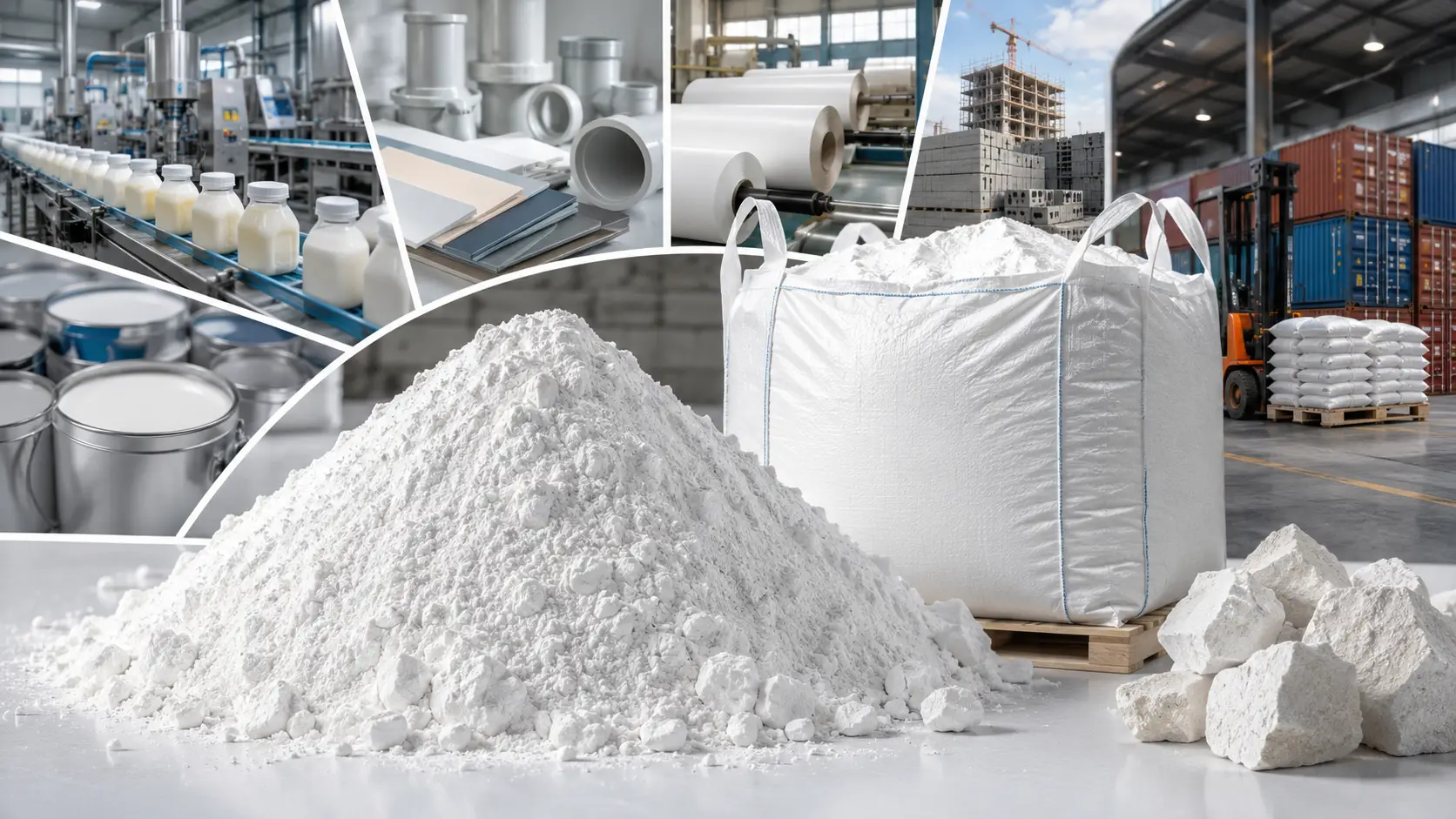
Calcium Acetate Supply Chain Overview
Calcium Acetate Applications and Demand Drivers
Market Pricing and Regional Supply Dynamics
Buyer Requirements and Supplier Evaluation
Procurement, Quality and Documentation
Logistics, Packaging and Inventory Planning
Strategic Calcium Acetate Sourcing for B2B Buyers
Conclusion
Sources
Calcium acetate is the calcium salt of acetic acid, identified by CAS No. 62-54-4 and molecular formula C₄H₆CaO₄. PubChem lists a molecular weight of approximately 158.17 g/mol and identifies calcium acetate as a compound used across food, pharmaceutical and other chemical applications. For B2B procurement teams, its commercial importance is therefore closely connected to consistent specification, application suitability and dependable supply.
In food-related trade, calcium acetate is particularly relevant because Codex identifies it as INS 263. The Codex General Standard for Food Additives recognizes calcium acetate under functional classes including acidity regulator, preservative and stabilizer. This makes regulatory documentation and grade selection important considerations when buyers compare international suppliers.
The calcium acetate supply chain typically links chemical raw materials and manufacturing operations with quality control, packaging, warehousing, international transportation, distribution and end-use industries. For commercial buyers, the supplier's ability to maintain consistent specifications across shipments can be as important as the nominal product price because formulation and production processes depend on predictable material performance.
International sourcing also introduces variables beyond manufacturing cost. Buyers need to consider origin, available production capacity, lead time, packaging configuration, documentation, shipping routes and destination requirements. A supplier offering competitive pricing but inconsistent delivery can create higher total procurement costs through production interruptions, emergency purchases or additional inventory requirements.
Food processing remains a significant commercial application area for calcium acetate. Codex GSFA records calcium acetate as INS 263 and lists functional classes including acidity regulator, preservative and stabilizer. Its provisions cover specified food categories, with applicable conditions and good manufacturing practice requirements depending on the category. This makes food-grade sourcing especially dependent on regulatory suitability rather than price alone.
For B2B food manufacturers, calcium acetate can therefore be evaluated according to its role in formulation, processing requirements and applicable food-additive regulations. Buyers may require documentation demonstrating conformity with the relevant specification, together with batch-level quality information. Supplier qualification should consequently begin with intended application and regulatory destination before moving to commercial negotiations.
Calcium acetate also has pharmaceutical relevance. PubChem describes calcium acetate as being commonly used in hydrate form in pharmaceutical applications, including phosphate binding in the management of hyperphosphatemia associated with kidney disease. Pharmaceutical procurement consequently places greater emphasis on specification control, traceability and documentation than a commodity-style purchase may require.
Beyond food and pharmaceutical channels, calcium acetate can participate in broader chemical applications where its calcium and acetate functionality is commercially useful. This diversified demand profile can support a broader supplier base, but it also means buyers should avoid treating every available grade as interchangeable. Application, purity, regulatory status and physical characteristics should determine the appropriate purchasing specification.
Calcium acetate pricing can vary considerably by production origin, market, specification, order volume and logistics. An IMARC pricing assessment for Q2 2026 reported indicative calcium acetate prices of approximately USD 1,226/MT in the United States, USD 654/MT in China, USD 1,138/MT in Germany, USD 749/MT in Saudi Arabia and USD 689/MT in India. These figures should be treated as market benchmarks rather than fixed transaction prices because actual B2B quotations depend on commercial terms and product specifications.
For procurement teams, regional price differences demonstrate why landed cost is more meaningful than comparing supplier quotations on an FOB or ex-works basis alone. Freight, insurance, port charges, customs requirements, local warehousing and financing can materially change the final acquisition cost. A lower-origin quotation may therefore not always produce the lowest delivered cost.
China and India can be important sourcing markets for calcium acetate, while buyers in North America, Europe, the Middle East and other regions may evaluate imported material against regional distributors or manufacturers. The optimal sourcing model depends on order volume, destination regulations, lead-time requirements and inventory strategy. Multi-origin sourcing can also provide procurement teams with greater flexibility when freight or production conditions change.
For Middle Eastern buyers, including distributors and food-processing companies, proximity and logistics efficiency can be particularly relevant when evaluating Asian supply. Saudi Arabian pricing, for example, appeared below the United States and Germany benchmarks in the cited Q2 2026 assessment. However, regional pricing should always be evaluated alongside grade, packaging, delivery terms and supplier reliability.
A professional calcium acetate purchasing process should begin with a clearly defined technical specification. Buyers should identify the required grade, purity, physical form, intended application and regulatory destination before requesting quotations. Food-additive buyers may specifically require conformity with applicable Codex or destination-market requirements, while pharmaceutical buyers may have more demanding quality and traceability expectations.
Supplier evaluation should also examine manufacturing consistency rather than relying solely on a single certificate or sample. Buyers can compare specification sheets, certificates of analysis, production controls, batch consistency, technical support and quality-management practices. The objective is to identify a supplier capable of delivering the same commercial and technical standard repeatedly.
Commercial reliability is equally important in international calcium acetate sourcing. Procurement teams should evaluate minimum order quantities, production lead times, payment terms, quotation validity, packaging options and export experience. A supplier that understands international documentation can reduce administrative friction and make repeat purchasing easier.
The best supplier relationship is generally based on total value rather than the lowest initial quotation. Consistent quality, predictable lead times, responsive communication and transparent documentation can reduce hidden procurement costs. For distributors, these factors also affect their ability to maintain dependable service to downstream customers.
Quality control is central to calcium acetate procurement because the product may enter regulated food or pharmaceutical supply chains. Codex and JECFA provide recognized references for calcium acetate as a food additive, with JECFA identifying the substance under CAS 62-54-4 and Codex INS 263. Buyers should therefore align supplier documentation with the precise market and application for which the material is purchased.
A robust procurement specification can cover identity, purity, relevant analytical parameters, physical characteristics and packaging requirements. The exact testing profile should be determined by the buyer's formulation and regulatory requirements. Batch-level certificates of analysis can then provide a practical mechanism for confirming conformity before material is released into production.
International B2B transactions may require commercial invoices, packing lists, certificates of analysis, safety documentation and shipping documentation, with additional certificates depending on destination and application. Food and pharmaceutical customers may request supplementary regulatory or quality information during supplier qualification.
Document consistency is particularly valuable for recurring orders. When product descriptions, specifications, batch information and shipping documents remain aligned, procurement teams can reduce clearance delays and simplify internal quality approval. Suppliers that can support this documentation workflow offer value beyond the chemical itself.
Calcium acetate sourcing involves more than securing production capacity. Buyers must coordinate factory availability with packaging, freight booking, customs clearance and warehouse receiving. Lead times can change because of production schedules, port congestion, carrier availability and destination-country procedures, making realistic planning essential for continuous manufacturing operations.
For import-dependent buyers, a practical logistics strategy should include sufficient lead-time visibility and contingency planning. Procurement teams may benefit from monitoring supplier production schedules and shipping milestones rather than waiting until inventory approaches its minimum level. This is particularly important when the product is an input into continuous food or pharmaceutical production.
Inventory planning should balance working capital against the operational cost of stockouts. Buyers with predictable consumption can establish reorder points based on historical usage, supplier lead time and logistics variability. Higher-volume users may also benefit from scheduled shipments or framework purchasing arrangements that improve supply visibility.
Distributors face an additional challenge because inventory must serve multiple customers with potentially different specifications and delivery requirements. Maintaining clear grade segregation and reliable stock records can help prevent fulfillment errors. A structured supply plan can therefore improve both customer service and procurement efficiency.
A competitive calcium acetate procurement strategy combines technical qualification, commercial comparison and supply-risk management. Instead of comparing price alone, buyers should calculate delivered cost while assessing quality consistency, lead time, documentation and supplier responsiveness. This approach provides a clearer picture of the actual value offered by each sourcing option.
Long-term procurement can also benefit from supplier diversification. Maintaining qualified alternatives can reduce dependence on a single manufacturing source and provide leverage during negotiations. However, alternate suppliers should be technically validated before they are needed so that emergency sourcing does not compromise product quality or regulatory compliance.
A specialized B2B chemical marketplace can simplify the supplier-discovery stage by connecting buyers with relevant manufacturers, exporters, distributors and chemical trading partners. For calcium acetate procurement, the marketplace approach can be particularly useful when buyers need to compare origins, specifications, packaging, commercial terms and availability across international markets.
For companies evaluating calcium acetate for food additives, pharmaceutical ingredients or broader industrial applications, Tradeasia / Chemtradeasia / Tradechem Marketplace can serve as a commercial sourcing channel for exploring international chemical supply opportunities. The most effective procurement process remains one where product specifications, application requirements and delivery expectations are clearly established before final supplier selection.
Calcium acetate occupies a useful position in B2B chemical trade because its applications extend across food additives, pharmaceutical products and other chemical uses. Its recognition as INS 263 by Codex and its established chemical identity make specification, regulatory suitability and documentation important parts of the sourcing process.
The 2026 pricing environment also illustrates why international buyers should evaluate calcium acetate through a total-cost and supply-continuity perspective. Regional benchmarks can differ significantly, while freight, grade, order size, packaging and commercial terms influence the final delivered price.
For procurement teams, the strongest sourcing strategy is therefore built around qualified suppliers, consistent quality, transparent documentation and dependable logistics rather than short-term price alone. A structured approach helps manufacturers and distributors protect production continuity while improving purchasing efficiency.
As a global B2B chemical sourcing platform, Tradeasia / Chemtradeasia / Tradechem Marketplace can support buyers seeking reliable international chemical supply and supplier connections. For calcium acetate procurement, combining market intelligence with qualified supplier evaluation can help businesses make more informed purchasing decisions and build a resilient supply chain.
www.fao.org
www.imarcgroup.com
We're committed to your privacy. Tradeasia uses the information you provide to us to contact you about our relevant content, products, and services. For more information, check out our privacy policy.


 English
 Indonesian
 简体字
简体字
 العربية
 Español
 Français
 Português
 日本語
日本語
 한국어
한국어
 Tiếng Việt



















