Explore our network of country and industry based websites to access localized information, product offerings, and business services across our group.
Log in to start sending quotation requests for any product.
Don't have an account? Sign Up Here
Home Shortening Solutions for Industrial Food Processing and Commercial Buyers
Trade Insights | Applications and Buyers | 28 July 2026
Introduction to Shortening as a Functional Food Ingredient
Shortening Applications Across the Food Manufacturing Industry
Industrial Buyers Driving Global Shortening Demand
Market Trends Influencing Shortening Procurement Decisions
Sourcing Considerations for Shortening Buyers and Distributors
Supply Chain Factors Affecting Shortening Availability
Conclusion: Building Reliable Shortening Supply Partnerships
Sources
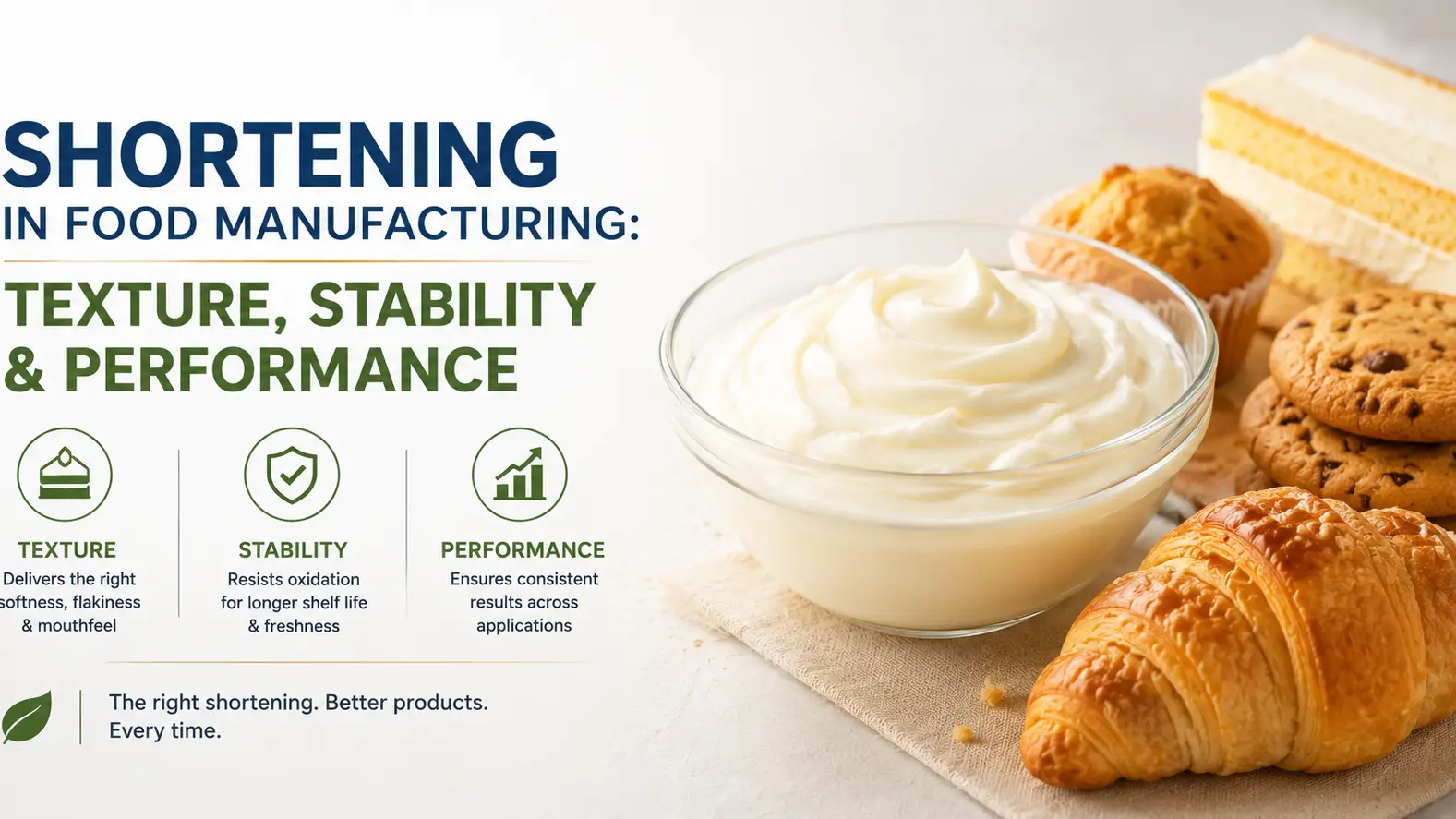
Shortening is a specialized fat ingredient widely used in commercial food manufacturing due to its ability to improve texture, consistency, and processing performance. Unlike traditional fats that may contain water components, shortening is designed to provide controlled functionality, making it suitable for large-scale production environments where uniform quality is essential.
The global food industry relies on shortening as an important ingredient for producing baked goods, snacks, confectionery products, and processed foods. Manufacturers select shortening based on characteristics such as melting profile, stability, flavor neutrality, and compatibility with production processes.
For industrial food producers, shortening provides advantages including improved dough handling, enhanced product structure, and longer shelf stability. These properties make it valuable for companies producing products that require consistent quality across large production volumes.
As consumer demand increases for convenient bakery products and ready-to-eat foods, shortening continues to maintain its importance as a functional ingredient. Food manufacturers increasingly evaluate shortening suppliers based on product consistency, technical support, and supply reliability.
The bakery sector represents one of the largest application areas for shortening. Commercial bakeries use shortening in products such as cakes, cookies, pastries, biscuits, and pie crusts because it contributes to desirable texture, softness, and structural stability.
Large-scale bakery manufacturers often require bulk shortening supplies with consistent specifications to maintain production efficiency. The ingredient supports both traditional bakery formulations and modern industrial recipes designed for extended shelf life and distribution.
Beyond bakery products, shortening is also used in confectionery and processed food manufacturing. It supports texture development in fillings, coatings, and specialty food products where controlled fat performance is required.
Food processors value shortening because it can improve mouthfeel, processing flexibility, and product consistency. These characteristics create demand among manufacturers producing snacks, frozen foods, and packaged consumer products.
The primary buyers of shortening include industrial bakeries, confectionery manufacturers, snack producers, and processed food companies. These organizations typically purchase shortening in bulk quantities to support continuous production operations.
Procurement teams evaluate suppliers based on quality certifications, production capacity, logistics capabilities, and the ability to provide stable long-term supply agreements. Reliable sourcing is especially important for manufacturers operating across multiple markets.
Food ingredient distributors play an important role in connecting shortening producers with regional buyers. These companies purchase bulk quantities and supply smaller manufacturers, bakeries, and foodservice operators.
Distributors require dependable international partners that can provide competitive pricing, documentation support, and flexible shipment options. Global B2B marketplaces help simplify connections between shortening suppliers and commercial buyers.
The expansion of convenience food consumption continues to influence shortening demand worldwide. Increasing production of packaged bakery products, frozen foods, and ready-to-eat meals creates additional opportunities for shortening suppliers.
Manufacturers are seeking ingredients that provide efficiency, consistency, and cost control. Shortening remains attractive because it supports industrial processing requirements while maintaining product quality.
Food companies are increasingly exploring customized shortening solutions based on application requirements. Factors such as nutritional positioning, ingredient functionality, and regional regulations influence purchasing decisions.
Suppliers that can provide technical information and application support are better positioned to serve evolving market requirements. This creates opportunities for specialized shortening producers and international ingredient suppliers.
When sourcing shortening, buyers consider key factors including fat composition, melting characteristics, stability, packaging formats, and compliance with food safety requirements. Consistent specifications help manufacturers maintain reliable production performance.
International buyers often require suppliers capable of providing complete documentation, including technical data sheets and quality assurance information. These requirements support transparent procurement processes and reduce supply risks.
Choosing the right shortening supplier involves evaluating production capabilities, export experience, logistics networks, and customer support. Buyers prefer suppliers that can provide dependable shipments and maintain consistent product availability.
A strong supplier relationship enables manufacturers and distributors to optimize inventory management while ensuring uninterrupted production. Strategic sourcing partnerships are increasingly important in global food ingredient markets.
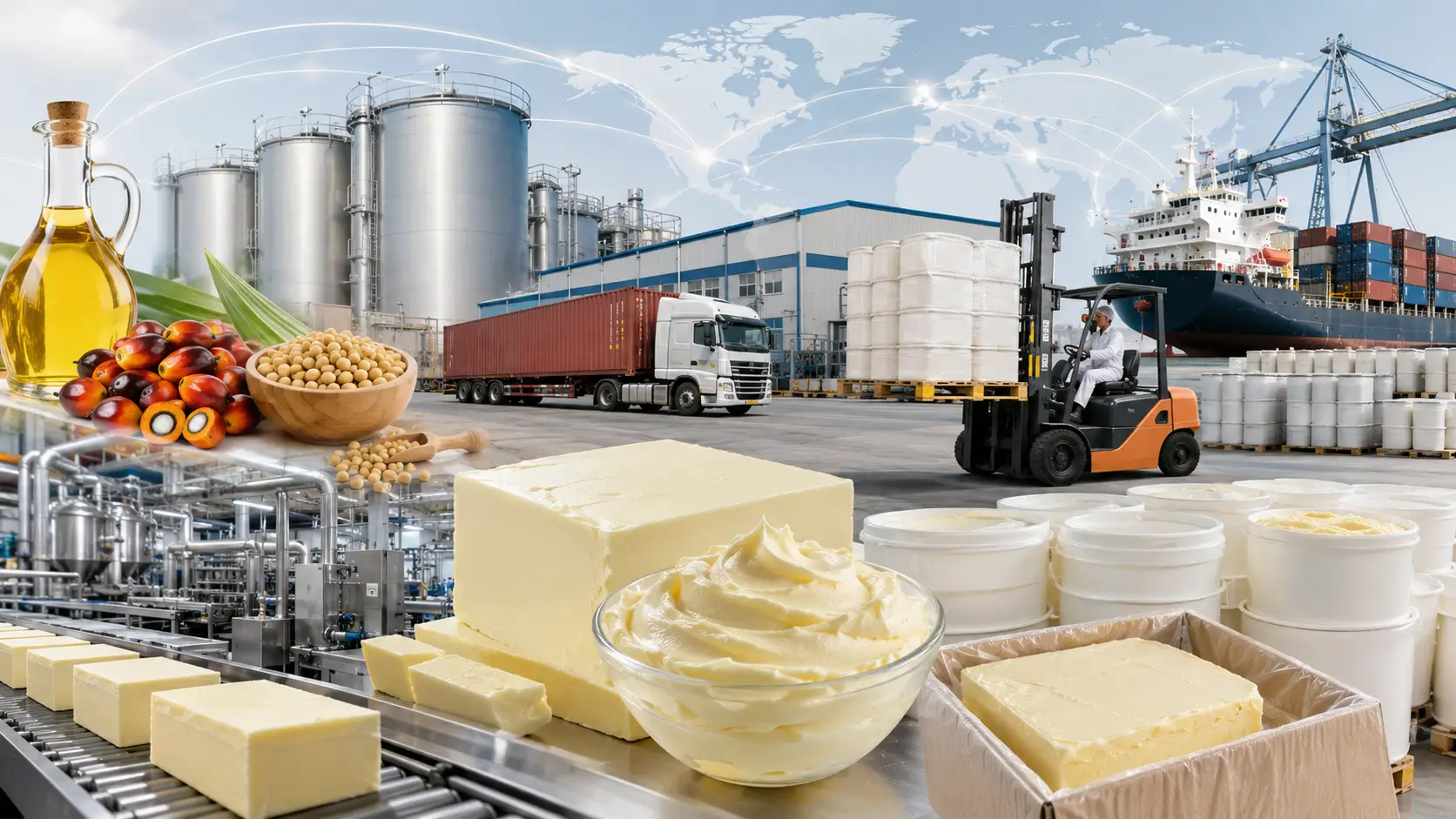
Shortening supply depends on access to suitable vegetable oils, processing facilities, and manufacturing expertise. Changes in raw material availability can influence pricing, production schedules, and international trade flows.
Manufacturers and buyers monitor supply chain conditions to manage procurement strategies effectively. Establishing relationships with experienced suppliers helps reduce exposure to market fluctuations.
Efficient transportation and distribution systems are essential for maintaining shortening availability across international markets. Bulk shipments, storage capabilities, and regional distribution partnerships influence supplier competitiveness.
Companies involved in shortening trade increasingly focus on supply chain transparency and reliable logistics coordination. These factors support consistent delivery performance for industrial customers.
Shortening continues to serve as a valuable ingredient across bakery, confectionery, processed food, and foodservice industries. Its functional benefits make it an essential component for manufacturers seeking improved texture, stability, and production efficiency.
As global food production expands, demand for reliable shortening sourcing solutions is expected to remain strong. Buyers increasingly prioritize suppliers that can combine quality products with dependable international supply capabilities.
For companies seeking efficient shortening sourcing, working with experienced international suppliers can simplify procurement and strengthen supply continuity. Tradeasia International connects global buyers with reliable ingredient supply networks, supporting food manufacturers and distributors with professional sourcing solutions for industrial applications.
We're committed to your privacy. Tradeasia uses the information you provide to us to contact you about our relevant content, products, and services. For more information, check out our privacy policy.


 English
 Indonesian
 简体字
简体字
 العربية
 Español
 Français
 Português
 日本語
日本語
 한국어
한국어
 Tiếng Việt